
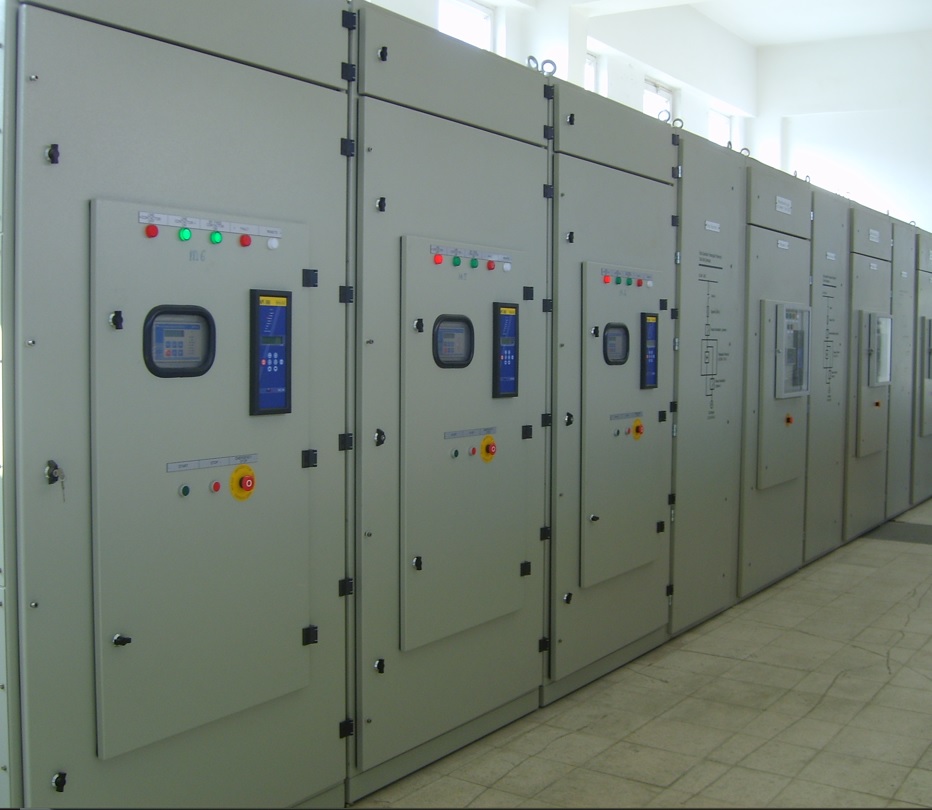
Asynchronous motors draw up to approximately 8 times(8xIn) the nominal current from the grid at the moment of initial start-up. This sudden start-up current creates unwanted electrical and mechanical stresses in your motor.
It can cause damage to your motor in the long term or reduce its service life. Your facility may experience unwanted failures and, as a result, unforeseen downtime. Today, various starter systems have been developed to prevent this type of failure instead of direct starter.
In this article, we will try to explain two of these methods: starter with an auto transformer and soft starter with a thyristor (soft starter). Let’s examine each method separately.
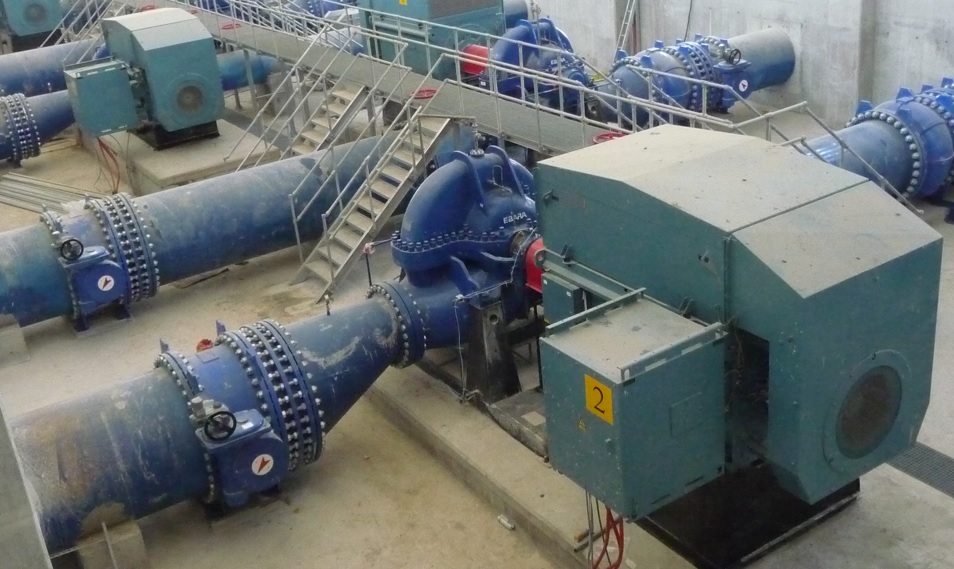
Autotransformer Starter:
In medium voltage motors, instead of direct starter, we use an autotransformer to limit the starter current or reduce the mechanical torque in the motors.
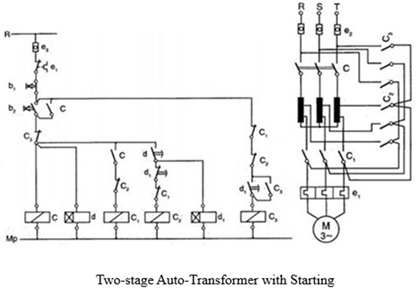
Autotransformers are a type of transformer that performs voltage regulation. In this starting method, the mains voltage is connected to the auto-transformer.
The voltage taken from the secondary terminal of the auto-transformer, which is wound in steps, is applied to the motor.
With this method, the starter current can be reduced to as low as 65% of the nominal operating current. However, during each step transition, the motor is still subjected to electrical and mechanical stresses, although not as severe as in direct starter.
MV Soft Starter with Soft Starter:
Thyristors are semiconductors that can be started with current due to their structure and design. By changing the nominal voltage value at the moment of initial start-up, the motor is started with a lower current value. For example, in fan/pump applications, it is possible to start with 3-4 times the nominal current.
Thyristor-controlled soft starters provide both soft starter and soft stopping capabilities for motors. This allows starter without the aforementioned electrical and mechanical stresses. It can be a significant advantage, especially in applications where speed adjustment is not required during operation after the motor has been started once. It is widely used in motors where speed adjustment is not performed.
Thyristor-controlled soft starters are connected between the mains and the motor. The soft starter performs the starter process by limiting the voltage applied to the motor and the motor current.
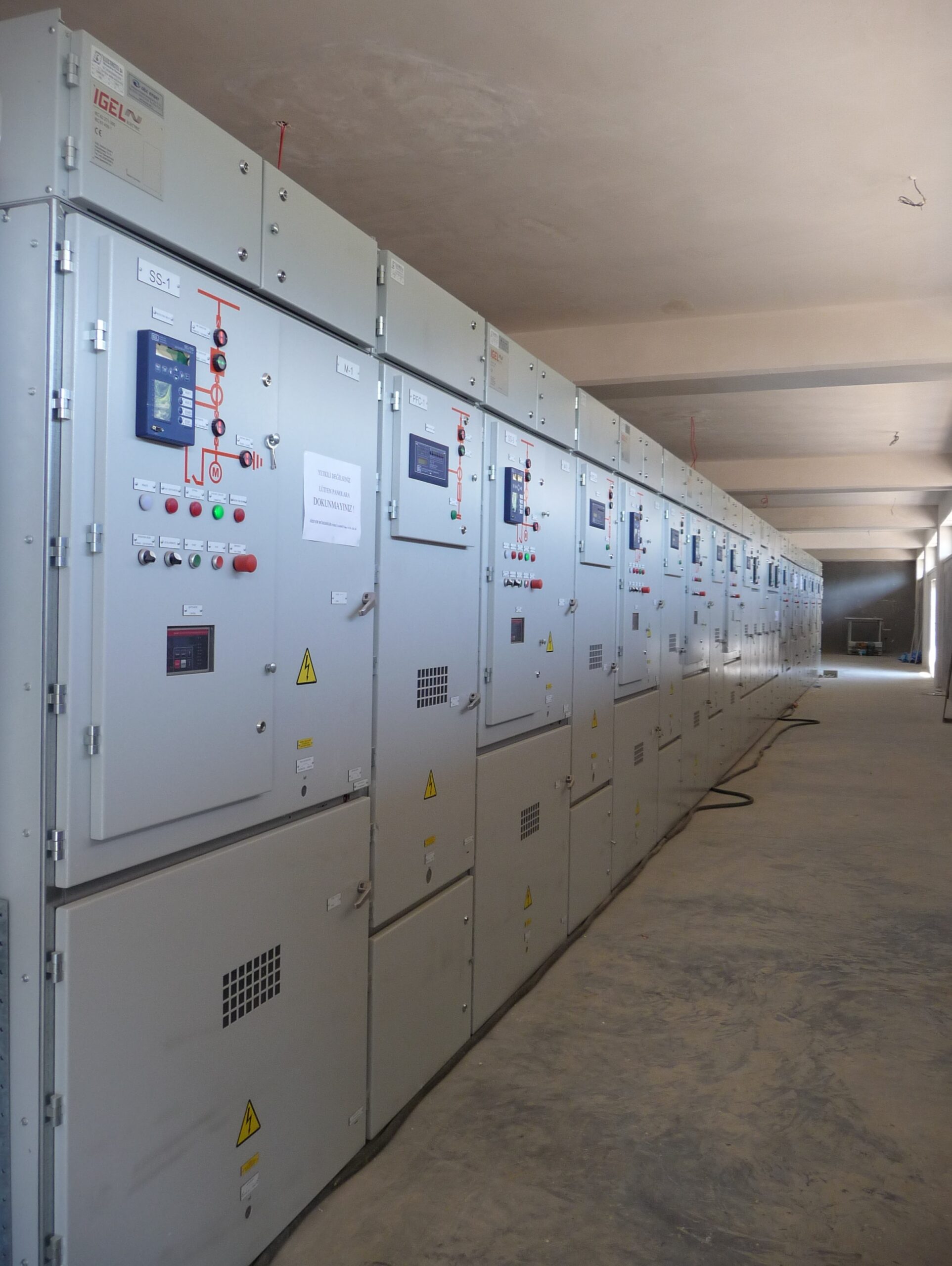
Soft starters, now equipped with additional control systems due to their microprocessor control, adjust the torque-current relationship in the motor over time, allowing the motor to start and stop without impact (depending on the auto-transformer starter method). The voltage and current limitations applied to the motor with a soft starter can be adjusted by selecting the appropriate ramp type according to the load type and setting the start-stop times. Furthermore, since it has an internal bypass contactor structure, no additional contactor is required. With advanced protection parameters, soft starters continue to actively protect the motor even after switching to bypass after starterg the motor. This can also be monitored via the digital display. In case of a fault, statistical information can be viewed from its own memory.
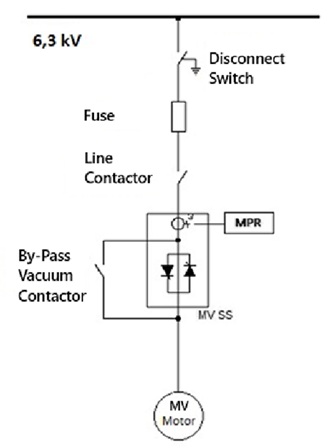
Advantages of the MV Soft Starter over an Auto Transformer:
- Extends the service life of mechanical equipment by preventing sudden stops and starts of the motor,
- The MV and LV sections communicate via fiber optics and are completely isolated from each other
- Extends the motor’s lifespan with advanced motor protection features (overcurrent protection, high/low voltage protection, ground fault protection, phase protection, etc.),
- Start and stop ramps are selectable.
- RS485 Modbus and Profibus communication capability (optional)
- Designed for harsh conditions
- Available in different protection classes from IP30 to IP54.
- Low maintenance requirements,
- Takes up less space compared to MV VFD.
- Adjustable motor stop time.
We can assist you with all your Soft Road requirements, technical support, and quotation requests. When needed, you can reach us via our website at www.cedetas.com.tr